New exhibition in the Maritime Museum in Amsterdam.
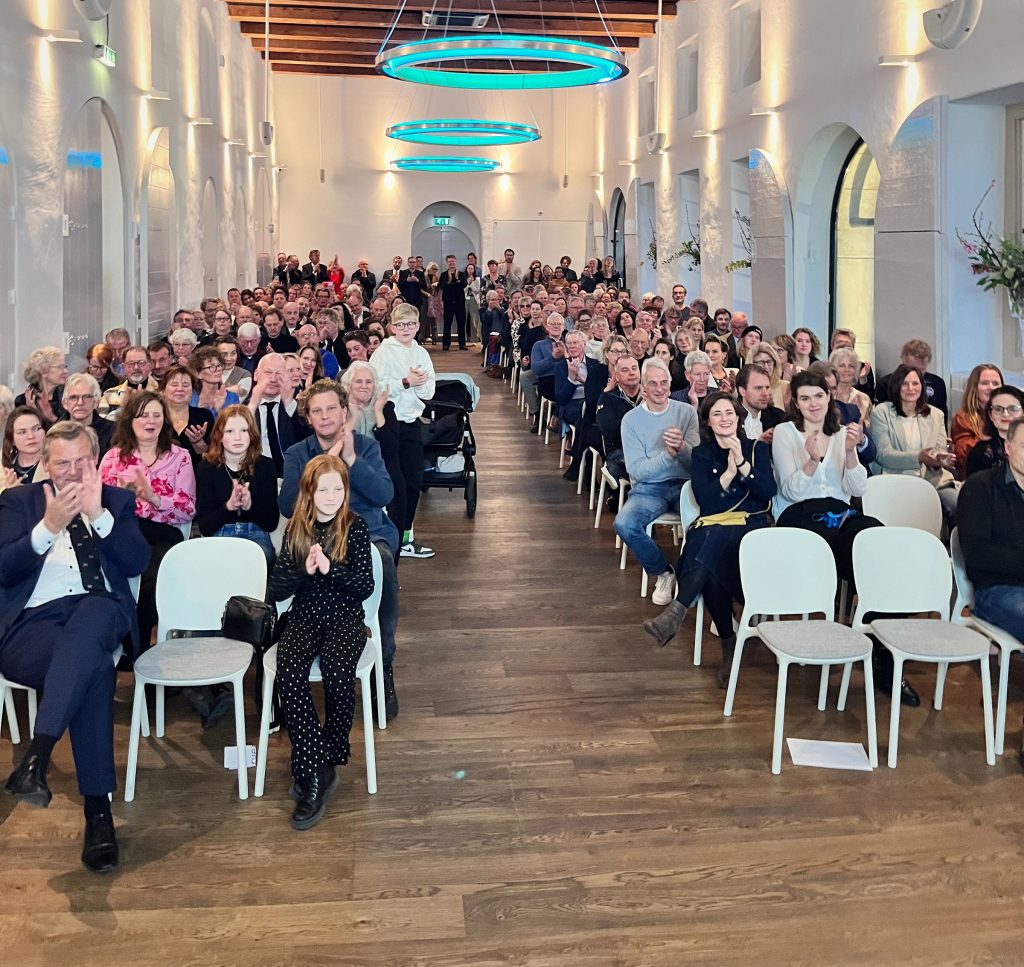
What a night, thank you all for coming to the opening. With the photography exhibition Rescuers at sea The Maritime Museum celebrates 200 years of the Dutch Sea Rescue Institution (KNRM). The exhibition highlights volunteers of the KNRM and shows who these people are.
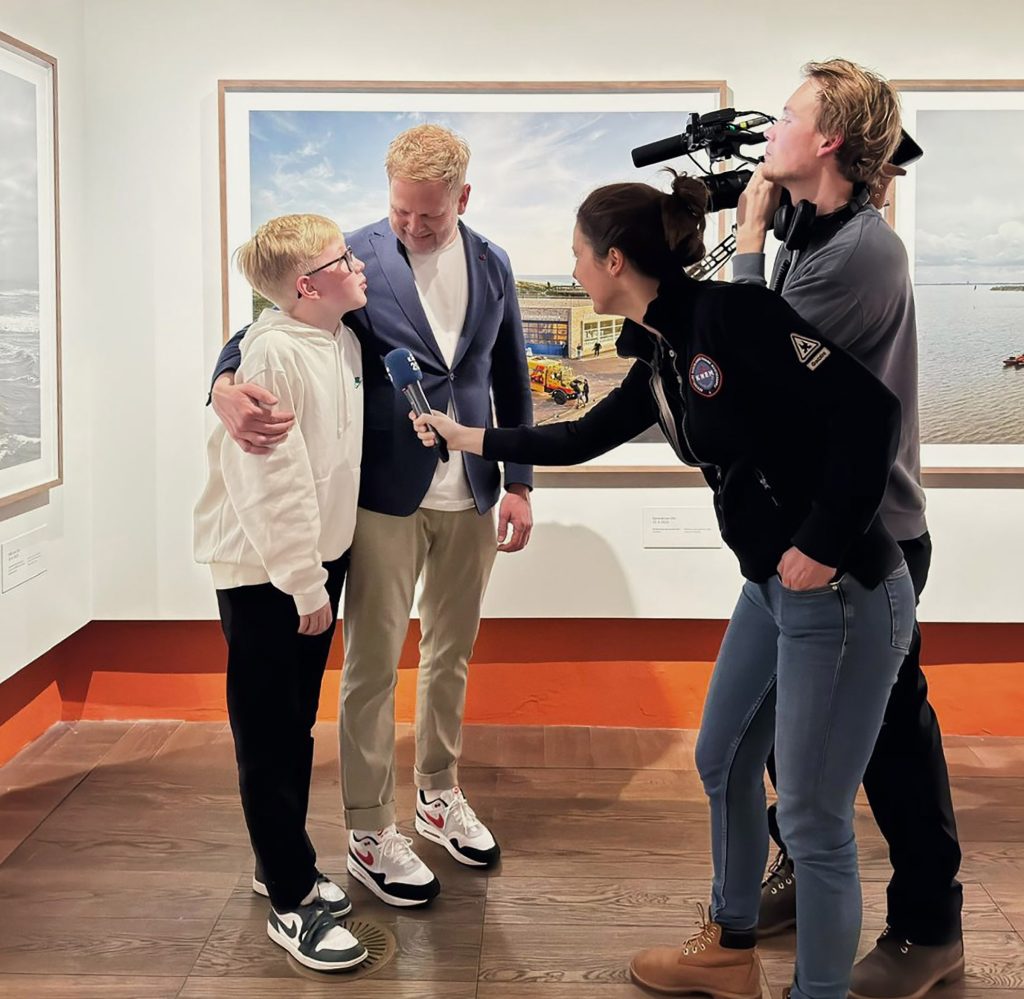
My son and me, in front of the local news outlet
Fleet review
On May 25th, 40 state-of-the-art KNRM vessels will dock at The Maritime Museum, including both historical and modern rescue boats. Visitors can admire this fleet up close during a stroll along the museum piers. Special activities for children will be organized.
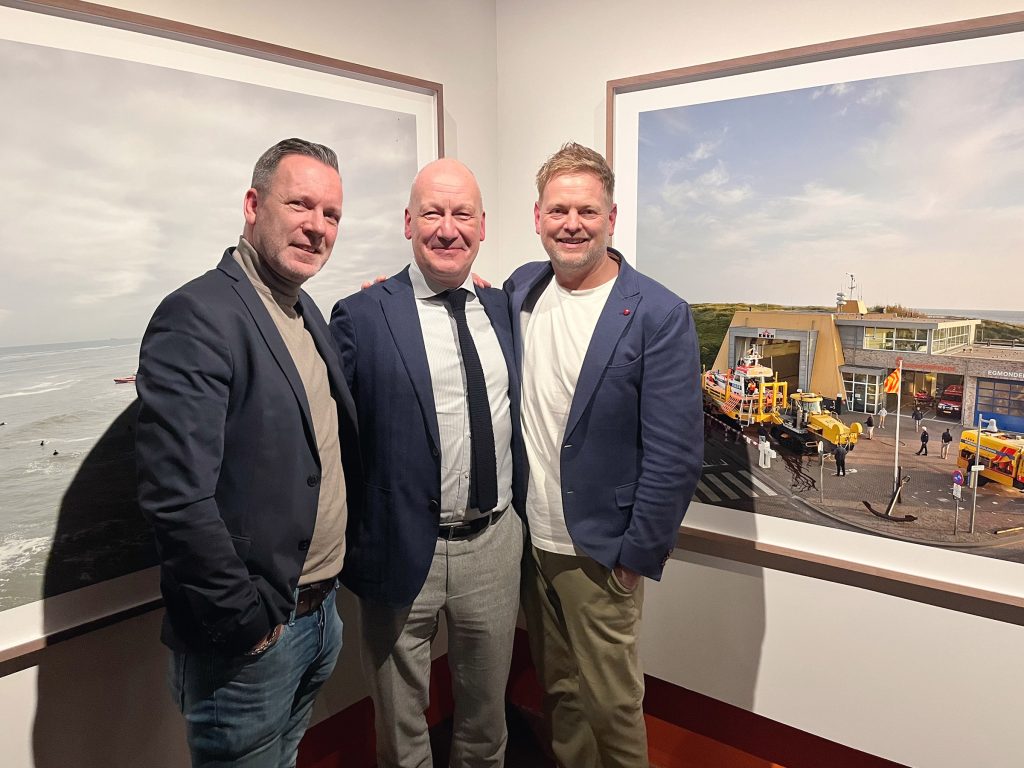
The frame builder, the gallery owner… and me.
Happy New Year!
januari 4, 2024
And why this year will be special.
This year will be the 200 year celebration of the Royal Dutch Sea Rescue Foundation, or as we Dutch say; ‘KNRM’ . ‘200 Years of KNRM’, is something special. After a long year working on a landscape assignment for the National Maritime Museum in Amsterdam doors will open on 22th of Februari to see the duoshow by my dear colleague, Robin de Puy, and me.
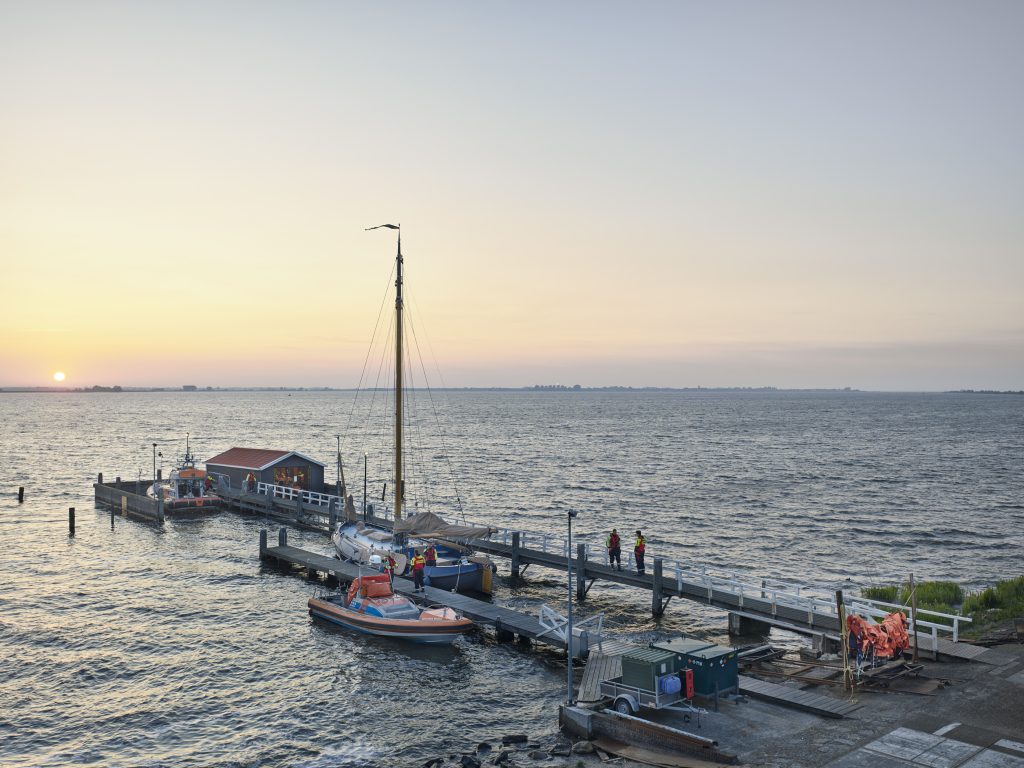
Marken, ‘Open dag’reddingbootdag’ 2023
Collaborating maritime museums
Various exhibitions are being developed by 12 museums across the country. The connecting factor in this programming is photography. From February 22, specifically in the Maritime Museum, visitors will be able to see an overview of modern photography in two large rooms. The photography is shown in large format, making the images even more compelling.
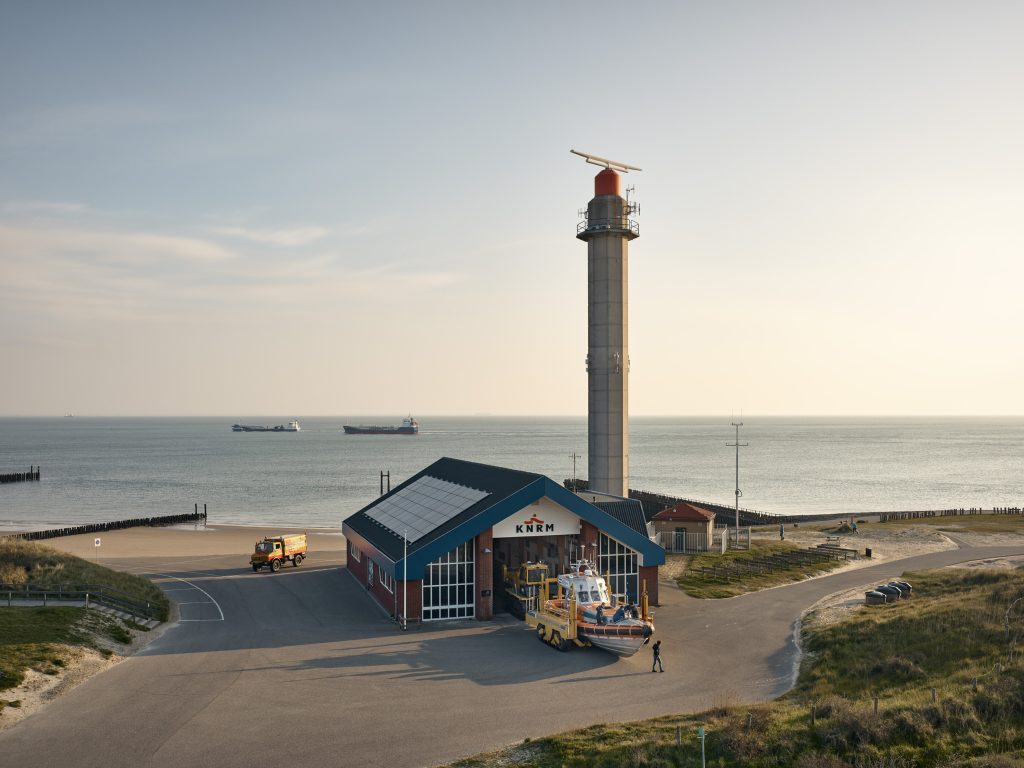
Westkapelle
Photographers Robin de Puy and Jeroen Hofman
The photography for this assignment was made in 2023 by two Dutch top photographers and a gift for the KNRM: Jeroen Hofman and Robin de Puy. Hofmans went on a tour with his camera to all KNRM coastal stations. He has mapped out the locations, the fleet and the surroundings of the rescue stations, making the workplaces on land and water of so many volunteers visible. He does this from his favorite perspective: from above. The same volunteers, the rescuers, are recorded in a personal manner by de Puy. As the winner of several portrait photography awards, she has invited rescuers to leave their dry suits and life jackets in the closet and show themselves as they are in everyday life.
New Work; Hedwige
oktober 4, 2023
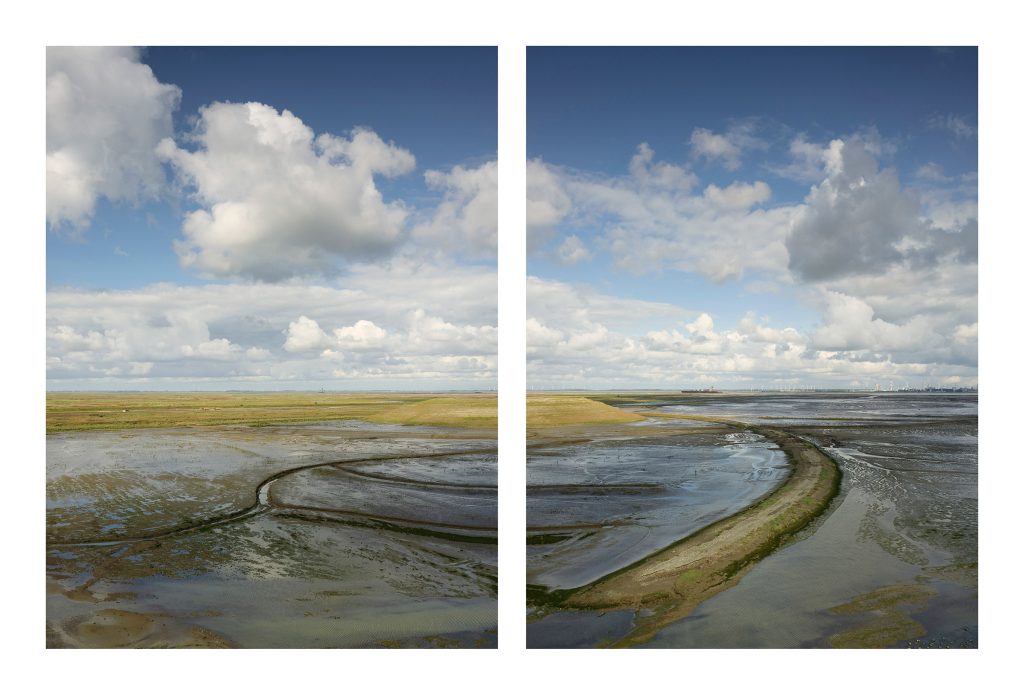
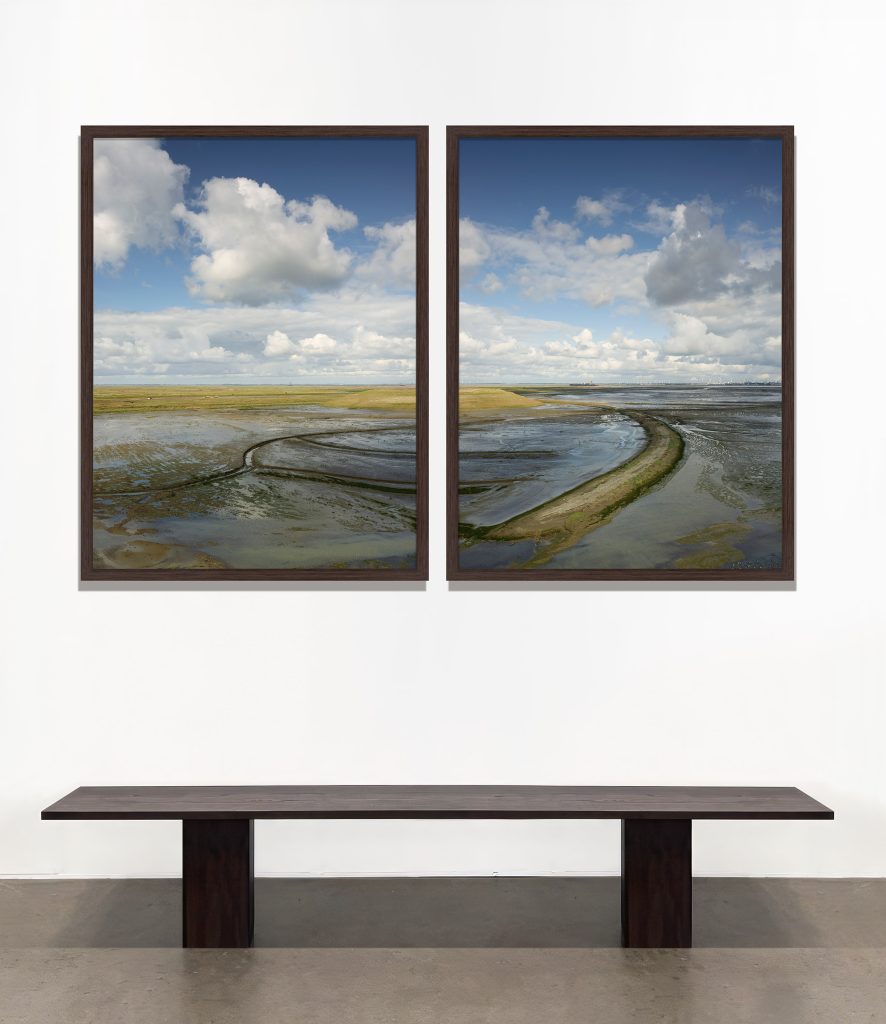
A diptych about a controversial landscape. A polder, once reclaimed from the sea and now given back to nature. With pain in the heart for many.

Thanks to Jan Stel for the presentation.
Congratulations to the Province of Zeeland, Ministry of Infrastructure and Water Management and Zeeuws Vlaanderen for making a compromise that can hopefully grow into something beautiful.
The Hedwige-Prosper polders project is part of the Belgian Sigma Plan: this integrated plan is reinforcing dikes and quay walls and opening flood areas to protect land along the Scheldt Estuary and the upstream basin against floods. In this specific project, the outer defences of the Hertogin-Hedwige (hereinafter referred to as Hedwige) and the Prosper polders – low lying areas of reclaimed land are being removed, reopening these areas to the tides. This process (which can be called ‘depoldering’) involves moving dike protection inland. Doing so will provide room for water during tidal surges, thereby reducing the risk of floods, and re-establishing an estuarine natural area. While nearly all Sigma Plan projects take place on Belgian territory, this is an exception as the Hedwige polder lies on Dutch territory. Works are expected to be completed in 2023.
Framed presentation of Hedwige Diptych bij Jan Stel @Postwork Imaging
Whether documenting the city parks of Amsterdam and Rotterdam or the Frisian islands, I have a particular method: working from up high, standing on an elevated platform. The trouble of renting a hydraulic hoist for every shoot pays off: seen from a bird’s eye view, the architecture of the parks, or the vastness and tranquility of the islands, become clearly visible. It’s a height at which you can no longer understand what the people below are saying and the birds above you are just out of reach.
photo by Koos Breukel
For my latest project, ‘EILAND’, I visited the Frisian Islands in the Wadden Sea. They are a popular tourist destination in the Netherlands. The islands are the perfect natural escape; a place where endless thoughts make way for endless horizons.
A few works have since been bought by private collectors and the Ministry of Foreign Affairs for its embassies. Much of my commercial work is offered to me by people who have seen my personal work and want to incorporate my style or aesthetic fingerprint into their products or projects.
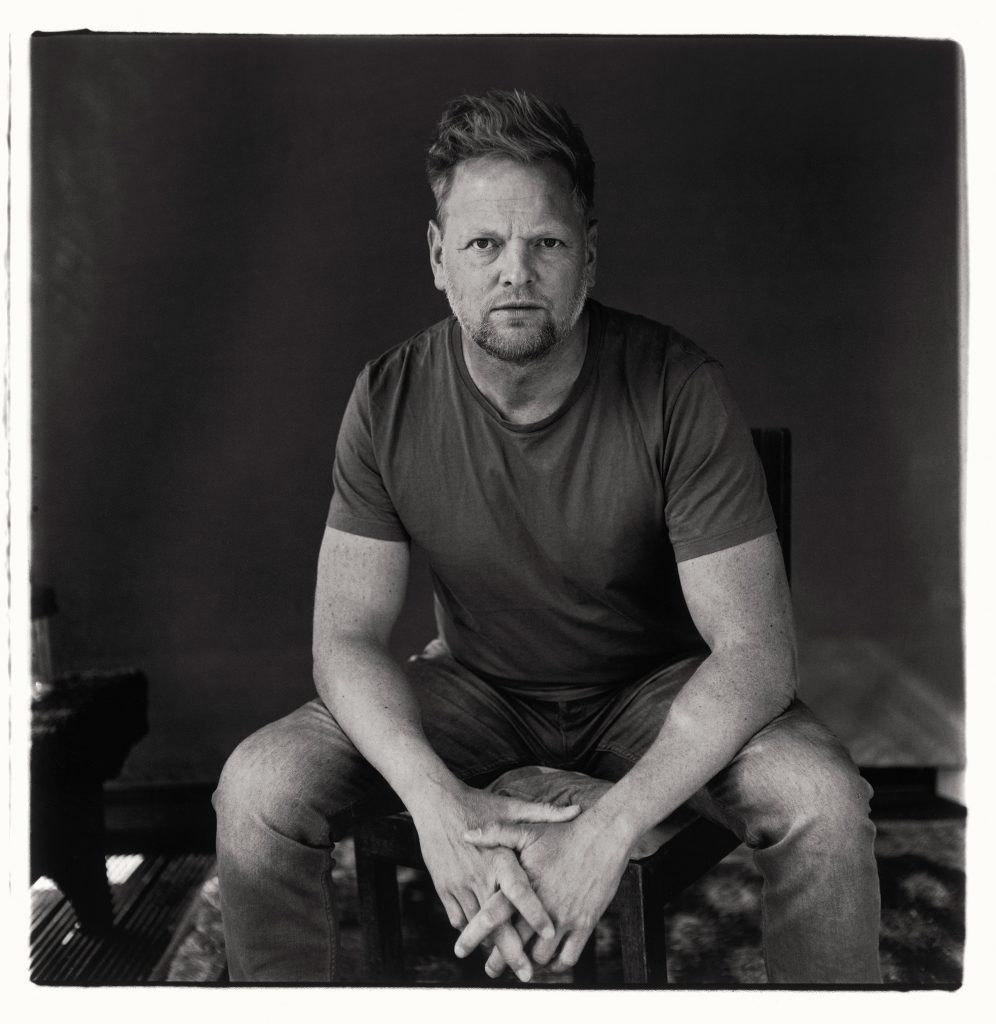
Jeroen Hofman (b. 1976, NL) studied photography at the Royal Academy of Art in The Hague. He experienced his big breakthrough with Playground (2011), a series in which he photographed emergency response training facilities in his now characteristic manner. Inspired by the work of Hans van der Meer, Edward Burtynsky, Gregory Crewdson and others, he began taking photographs from a high vantage point. Gradually, the role of the landscape became more important in his work. In Park (2018) Hofman documented communal spaces and how we share them. As well as producing autonomous work, Hofman also makes portraits. He has won several awards and prizes, including the Silver Camera twice: once for Playground and, in 2014, for a portrait of Hans van Manen.